Visualizing Education: The Strategic Value of Teacher Back Vector Illustrations in Modern Design
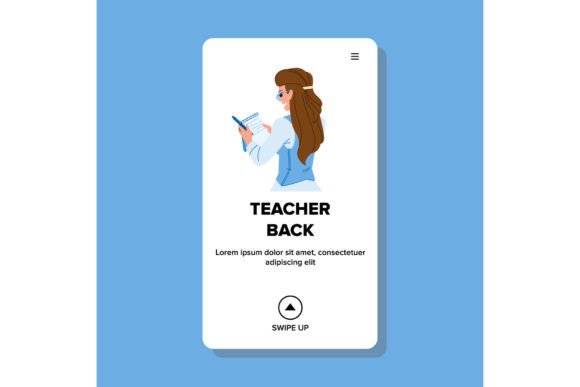
In the rapidly evolving landscape of digital content creation, the demand for high-quality, versatile visual assets has never been higher. Among the myriad of graphic resources available to designers, educators, and marketers, the teacher back vector has emerged as a surprisingly potent tool for communication. This specific type of illustration, depicting an educator from behind facing a classroom or blackboard, offers a unique perspective that resonates deeply with audiences ranging from elementary school administrators to ed-tech startups. By focusing on the silhouette and posture of the teacher rather than their facial features, these images create a universal symbol of guidance, instruction, and the educational journey.
The appeal of such imagery lies not just in its aesthetic simplicity but in its functional adaptability. Whether utilized in a school classroom presentation, a marketing brochure for education pupil enrollment, or a digital interface for remote learning platforms, the teacher back vector serves as a neutral yet powerful anchor. It allows viewers to project themselves into the scene, fostering a sense of inclusion and shared experience. This article explores the multifaceted applications, technical advantages, and psychological impact of using flat cartoon illustrations of teachers in various professional and creative contexts.
The Psychology of Perspective in Educational Imagery
When designing materials for primary children or their parents, the choice of visual perspective is critical. A front-facing portrait of a teacher can sometimes feel authoritative or distant, depending on the expression and style. In contrast, a teacher back character invites the viewer to look over the shoulder of the educator, sharing their viewpoint. This subtle shift transforms the dynamic from one of passive observation to active participation. It suggests that the teacher is leading the way, guiding students through the complexities of learning, whether it be basic arithmetic during elementary years or more advanced concepts in higher grades.
This perspective is particularly effective in conveying a class happy atmosphere. Without the need for detailed facial expressions, the body language of the teacher—open arms, pointing at a board, or standing confidently—combined with the implied attention of the students, creates a narrative of engagement. During the recent pandemic, when education shifted dramatically to remote and hybrid models, the symbolism of the teacher became even more crucial. Images that evoked the traditional school classroom environment helped maintain a sense of normalcy and continuity for students and parents alike. The teacher back vector became a bridge between the physical and digital worlds, reminding users of the human element at the heart of education.
Technical Advantages of Vector Formats
For creators and business owners, the technical specifications of graphic assets are just as important as their artistic merit. The term "vector" refers to graphics defined by mathematical paths rather than pixels. This distinction is vital for scalability. A teacher back vector can be resized from a tiny icon on a mobile app to a massive banner on a school bus wrap without any loss of quality. This flexibility is unmatched by raster formats like JPEGs, which become pixelated when enlarged.
Most professional illustrations are delivered in formats such as JPG and EPS. While JPGs are suitable for web use due to their small file size and broad compatibility, they are static and limited in resolution. EPS files, on the other hand, are the industry standard for vector graphics. They allow designers to edit individual elements of the illustration, change colors to match brand guidelines, and isolate specific components. For instance, if a school district uses a specific shade of blue for its branding, a designer can easily adjust the people flat cartoon illustration to align with those colors, ensuring consistency across all marketing materials.
The ability to manipulate these assets extends beyond color. Designers can separate the teacher from the background, add new elements like books or globes, or integrate the character into complex infographics. This level of customization is essential for creating unique content that stands out in a crowded digital marketplace. By leveraging the editable nature of EPS files, organizations can maximize the return on investment for their graphic resources, using a single teacher back vector across multiple campaigns and platforms.
Applications Across Industries and Sectors
The versatility of the teacher back vector extends far beyond traditional educational settings. Its clean, minimalist style makes it suitable for a wide range of industries that value clarity and approachability. Here are several key areas where these illustrations prove invaluable:
- Ed-Tech Platforms: Software companies developing learning management systems often use flat cartoon illustrations to make their interfaces feel user-friendly and less intimidating. A teacher back character can serve as a guide in tutorial videos or help sections, leading users through features step-by-step.
- Publishing and Print Media: Textbook publishers and educational bloggers frequently require visuals that complement text without distracting from it. The simple lines and solid colors of a people flat cartoon illustration provide perfect visual breaks in long-form content, enhancing readability and retention.
- Corporate Training and HR: Businesses investing in employee development often borrow visual cues from academia to signify learning and growth. Using a teacher back vector in internal training materials can subtly reinforce the idea of mentorship and continuous improvement.
- Non-Profit and Community Organizations: Groups focused on literacy, after-school programs, or community education can use these images to convey warmth and accessibility. The universal nature of the teacher figure helps connect with diverse audiences, emphasizing the shared value of education.
Each of these applications benefits from the non-specific nature of the illustration. Because the teacher’s face is not visible, the image does not impose a specific age, gender, or ethnicity, allowing it to be more inclusive and representative of a broader audience. This neutrality is a significant advantage in global markets where cultural sensitivity is paramount.
Design Trends and the Rise of Flat Cartoon Styles
The popularity of the teacher back vector is closely tied to the broader design trend of flat illustration. This style, characterized by two-dimensional elements, bright colors, and minimal shading, has dominated digital design for the past decade. It aligns perfectly with the principles of modern web design, which prioritize speed, clarity, and mobile responsiveness. Flat cartoons load quickly and render consistently across different devices, making them ideal for the fast-paced digital environment.
Moreover, the people flat cartoon illustration style appeals to contemporary aesthetics that favor simplicity over realism. In an era of information overload, clean and straightforward visuals help cut through the noise. The teacher back vector fits seamlessly into this paradigm, offering a clear and immediate message without unnecessary detail. This efficiency is particularly valuable for elementary and primary children who may be overwhelmed by complex imagery. Simple, recognizable shapes help them focus on the core concept being taught.
As design trends continue to evolve, the demand for customizable and scalable assets like vectors will only grow. Creators who understand how to leverage these tools effectively will be better positioned to produce engaging and impactful content. Whether used to illustrate a blog post about pandemic learning challenges or to design a new logo for an education pupil support service, the teacher back vector remains a timeless and versatile choice.
Implementing Vector Assets in Your Workflow
Integrating teacher back vector illustrations into your creative workflow requires a basic understanding of graphic design software. Programs like Adobe Illustrator, CorelDRAW, or free alternatives like Inkscape can open and edit EPS files. For those without design expertise, many online platforms offer simplified editors that allow for basic customization of vector assets. These tools enable users to change colors, add text, and combine elements without needing advanced technical skills.
When selecting a teacher back vector, consider the context in which it will be used. For a formal academic publication, a more subdued color palette and realistic proportions might be appropriate. For a playful class happy campaign targeting young children, brighter colors and exaggerated features could be more effective. Always ensure that the license associated with the asset permits your intended use, whether commercial or editorial. Many stock photography sites offer a variety of school classroom themed vectors, providing ample options for different needs and budgets.
Ultimately, the power of the teacher back vector lies in its ability to communicate complex ideas simply and effectively. By combining technical versatility with psychological resonance, these illustrations offer a unique solution for anyone looking to enhance their educational or instructional content. As we continue to navigate a world where visual communication is increasingly important, mastering the use of such assets will be a valuable skill for professionals across all sectors.