Reimagining the Physics Lesson in Classroom: Female Teacher Leadership and Inclusive Education
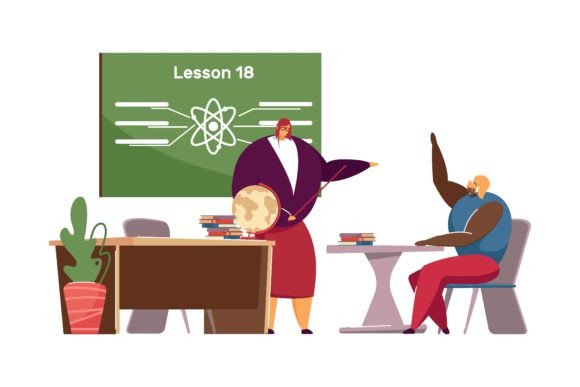
The image of a physics lesson in classroom settings has long been dominated by specific cultural tropes, often excluding diverse voices from the narrative of scientific discovery. However, modern educational landscapes are shifting rapidly. Today, seeing a female teacher explaining complex concepts while pointing at a blackboard, with pupils sitting attentively at desks, represents more than just a standard school day. It symbolizes a broader movement toward inclusivity, representation, and pedagogical evolution. When we observe a black girl raising her hand to answer a question in this environment, we are witnessing the tangible results of decades of advocacy for diversity in STEM (Science, Technology, Engineering, and Mathematics).
This visual narrative is not merely aesthetic; it is deeply functional. For educators, administrators, and content creators, understanding the dynamics of this scene offers valuable insights into how learning environments are changing. The presence of a female instructor leading a physics class challenges historical gender biases, while the active participation of minority students signals a more equitable approach to education. This article explores why this specific classroom dynamic matters, how it aligns with current educational trends, and what it means for the future of learning.
The Evolution of STEM Representation
Historically, physics was perceived as a male-dominated field, both in professional research and in academic instruction. This perception created subtle barriers for young women and minorities, often discouraging them from pursuing advanced studies in physical sciences. The concept of a physics lesson in classroom led by a woman disrupts this outdated narrative. It provides immediate role modeling for students, particularly girls, who may not see themselves reflected in traditional scientific imagery.
Research consistently shows that representation matters. When students see instructors who share their gender or background, they are more likely to engage, persist through challenges, and envision themselves in similar careers. A female teacher explaining principles of motion or energy does more than transfer knowledge; she validates the presence of women in scientific spaces. This shift is not about replacing one demographic with another but about expanding the pool of visible expertise to reflect the diversity of the student body.
Moreover, the inclusion of a black girl raising her hand to answer highlights the intersection of gender and racial diversity. It underscores the importance of creating safe, encouraging environments where all students feel confident enough to participate. This moment of engagement is critical. It transforms passive listening into active learning, fostering a sense of belonging that is essential for academic success.
Modern Pedagogical Approaches in Physics Education
Beyond representation, the way physics is taught has evolved. The traditional model of rote memorization and lecture-heavy instruction is giving way to more interactive, inquiry-based methods. In the scene described, the teacher is not just lecturing; she is facilitating understanding. Pointing at the blackboard serves as a visual anchor, helping students connect abstract formulas to concrete concepts. This multimodal approach—combining verbal explanation, visual aids, and student interaction—is proven to enhance comprehension and retention.
- Visual Learning: Using the blackboard to diagram forces, vectors, or circuits helps students visualize invisible phenomena.
- Active Participation: Encouraging students to raise hands and answer questions promotes critical thinking and immediate feedback.
- Inclusive Dialogue: Ensuring diverse voices are heard creates a richer classroom discussion and exposes students to varied perspectives.
For educators, this means moving beyond the textbook. It involves creating lessons that are relevant to students' lives, using examples that resonate with their experiences. For instance, discussing the physics of sports, music, or technology can make abstract concepts more accessible and engaging. The goal is to demystify physics, showing it not as an elite subject for the few, but as a fundamental lens for understanding the world.
Implications for Educational Institutions and Content Creators
Schools and universities must recognize the strategic value of diverse faculty and inclusive teaching practices. Hiring and supporting female physicists and educators from underrepresented backgrounds is not just a moral imperative but a practical one. It improves student outcomes, enhances institutional reputation, and prepares graduates for a diverse global workforce. Administrators should invest in professional development that focuses on inclusive pedagogy, ensuring that all teachers are equipped to create welcoming and effective learning environments.
For content creators, marketers, and bloggers, the imagery of a physics lesson in classroom with a female teacher and diverse students is powerful. It resonates with audiences who value equity, progress, and modernity. When developing educational materials, advertising campaigns, or stock photography, choosing images that reflect this reality can build trust and connection with viewers. It signals that your brand or institution is forward-thinking and committed to inclusivity.
However, authenticity is key. Tokenism—where diversity is included only for appearance’s sake—can be counterproductive. The focus should be on genuine engagement and meaningful representation. This means showcasing real stories, highlighting actual achievements, and supporting initiatives that promote diversity in STEM. For example, featuring interviews with female physicists, profiling successful minority students, or documenting innovative teaching methods can provide depth and credibility to your content.
Technology and the Future of the Physics Classroom
While the blackboard remains a staple, technology is increasingly integrating into physics education. Digital simulations, virtual labs, and interactive apps allow students to experiment with concepts in ways that were previously impossible. Yet, the human element remains central. The teacher’s role shifts from being the sole source of information to being a guide and mentor. She helps students navigate digital tools, interpret data, and apply theoretical knowledge to real-world problems.
In this hybrid environment, the interaction between teacher and student becomes even more crucial. When a black girl raises her hand, she might be asking for clarification on a simulation result or proposing a new hypothesis based on digital data. The teacher’s response—encouraging, precise, and supportive—reinforces the student’s confidence and curiosity. This synergy between technology and human instruction defines the modern classroom.
Furthermore, remote and hybrid learning models have expanded the reach of quality education. Online platforms allow students from diverse backgrounds to access expert instruction, regardless of geographic location. However, these models also require intentional efforts to maintain engagement and inclusivity. Educators must use digital tools to foster community, ensure equal participation, and provide personalized support.
Practical Recommendations for Stakeholders
To fully leverage the benefits of inclusive and modern physics education, various stakeholders can take specific actions:
- Educators: Continuously update teaching methods to include interactive and inclusive practices. Seek feedback from students to understand their needs and preferences. Use diverse examples and case studies to make content relatable.
- Administrators: Prioritize hiring diverse faculty and provide ongoing training in inclusive pedagogy. Allocate resources for modern teaching tools and professional development. Create policies that support equity and accessibility.
- Content Creators: Use authentic imagery and narratives that reflect diversity in STEM. Avoid stereotypes and highlight real achievements. Collaborate with educators and experts to ensure accuracy and relevance.
- Parents and Communities: Encourage children, especially girls and minorities, to explore physics and other sciences. Provide access to resources, mentors, and extracurricular activities. Advocate for inclusive practices in local schools.
By working together, these groups can create a sustainable ecosystem that supports diverse learners and educators. The goal is not just to increase numbers but to cultivate a culture of curiosity, respect, and excellence.
Conclusion: Beyond the Blackboard
The scene of a female teacher leading a physics lesson, with engaged and diverse students, is a microcosm of broader societal changes. It reflects a move toward greater equity, improved pedagogical practices, and a deeper appreciation for the value of diverse perspectives in science. As we look to the future, maintaining this momentum requires conscious effort, investment, and commitment from all involved.
For those interested in exploring this topic further, consider examining case studies of successful inclusive STEM programs or reviewing recent research on gender and racial disparities in science education. Understanding the nuances of these issues can help inform better practices and policies. Ultimately, the aim is to ensure that every student, regardless of background, has the opportunity to thrive in the fascinating world of physics.
Embracing this vision not only benefits individual students but also enriches the scientific community as a whole. By fostering talent from all segments of society, we unlock new ideas, innovations, and solutions to global challenges. The physics lesson in classroom is thus not just an academic exercise but a vital step toward a more inclusive and prosperous future.