Maximizing the Impact of Girl Studying Teacher Helps Student Vector Illustrations
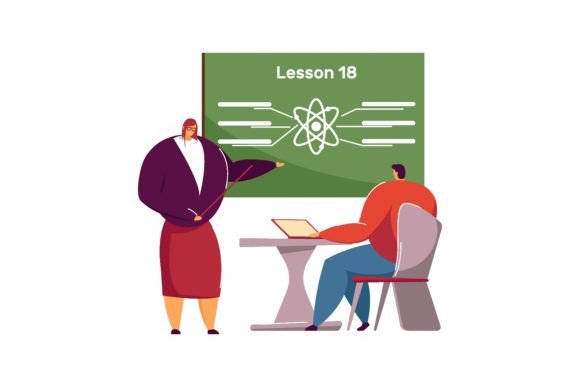
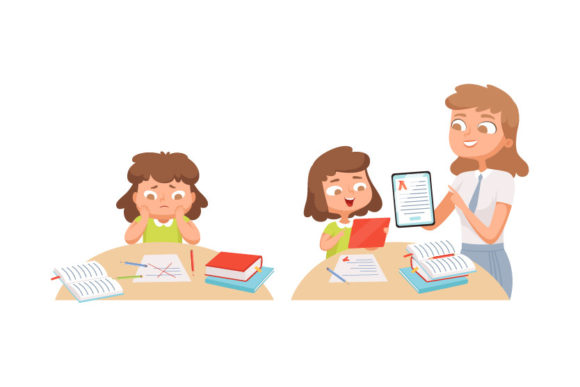
In the rapidly evolving landscape of digital education and e-learning, visual communication has become just as critical as the curriculum itself. Whether you are an instructional designer, a blogger focusing on educational trends, or a small business owner marketing tutoring services, the right imagery can bridge the gap between complex concepts and learner engagement. One specific visual theme that consistently resonates with audiences is the depiction of Girl Studying. Teacher Helps Student. This motif captures the essence of mentorship, personalized attention, and the collaborative nature of modern learning.
However, simply downloading a generic image and slapping it onto a website is rarely enough to achieve professional results. Many creators overlook the nuances of selecting high-quality vector assets, leading to designs that feel outdated, disjointed, or legally risky. Understanding how to properly evaluate, customize, and implement these illustrations—specifically those featuring individual training scenarios and self-education themes—can significantly enhance your project’s credibility and aesthetic appeal.
The Pitfall of Generic Representation
A common mistake when searching for educational graphics is settling for the first result that matches the keyword "student" or "teacher." While a Girl studying. Self education, teacher helps student illustration might seem straightforward, poor execution in the artwork can undermine your message. Low-quality vectors often suffer from inconsistent line weights, muddy color palettes, or stiff, unnatural poses. When these elements are present, they distract the viewer rather than supporting the content.
For instance, if you are creating a landing page for a premium tutoring service, using a clip-art style image where the characters lack emotional connection can make your brand appear cheap or impersonal. The interaction between the teacher and the student should convey patience, clarity, and encouragement. If the vector illustration shows a teacher pointing aggressively or a student looking bored, it contradicts the narrative of supportive individual training. Always scrutinize the body language and facial expressions in the preview before purchasing or downloading.
Overlooking Technical Compatibility and Formats
Another frequent oversight involves the technical specifications of the asset. Many users download JPEGs or PNGs when they should be leveraging the power of vector files. The prompt mentions receiving a ZIP folder that includes -EPS files. This is a crucial detail. EPS (Encapsulated PostScript) and other vector formats like SVG or AI allow for infinite scalability without loss of quality.
If you use a raster image (like a JPG) for a large banner or a printed brochure, it will pixelate, looking unprofessional and blurry. By ignoring the vector files included in the package, you limit your ability to resize the Teacher and girl, study homework graphic for different mediums. A smart approach is to always open the EPS file in compatible software like Adobe Illustrator or Inkscape. This allows you to adjust colors to match your brand identity, modify text labels if present, and ensure the illustration remains crisp whether it is viewed on a mobile phone or a 4K monitor.
Misinterpreting the Context of Use
Context is king in visual storytelling. A frequent error is using a Girl studying. Teacher helps student illustration in a context that implies rigid, old-fashioned schooling, when the accompanying text discusses modern, flexible, or self-directed learning. The concept of self-education is increasingly popular among adult learners and professionals. If your article discusses autonomous learning but the image depicts a strict classroom hierarchy, you create cognitive dissonance for the reader.
To avoid this, look for illustrations that show collaboration rather than just instruction. Ideal vectors will depict the teacher leaning in to help, perhaps pointing at a tablet or a book, while the student engages actively. This subtle difference reinforces the idea of partnership in learning. For marketers and entrepreneurs, this alignment between visual and textual messaging builds trust. It shows that you understand the nuanced dynamics of modern education, where the teacher is a facilitator rather than just a lecturer.
Ignoring Licensing and Usage Rights
Perhaps the most dangerous mistake is assuming that all downloadable content is free for commercial use. Many creators rush to use an attractive Individual training, problems with learning material vector illustration without checking the license agreement. Using copyrighted material without proper attribution or licensing can lead to legal issues, takedown notices, and damage to your professional reputation.
Always verify the source. Reputable stock agencies provide clear licenses detailing whether the asset can be used for commercial projects, how many impressions are allowed, and if attribution is required. If you are building a product for sale, such as an online course or a published book, ensure you have the appropriate extended license. This due diligence protects your investment and ensures that your final product is entirely yours to distribute.
Best Practices for Integration
To get the most out of your Girl Studying. Teacher Helps Student assets, consider these practical steps:
- Customize the Color Palette: Do not stick to the default colors of the vector. Adjust hues to align with your brand guidelines. This creates a cohesive look across your website or presentation.
- Simplify the Composition: If the vector includes unnecessary background elements, remove them. A clean, focused image of the Teacher and girl interacting is often more powerful than a cluttered scene.
- Pair with Relevant Content: Use these illustrations near sections discussing mentorship, homework help, or overcoming learning hurdles. This reinforces the semantic relevance for both readers and search engines.
- Test for Accessibility: Ensure that the contrast between the illustration and the background is sufficient. If the vector contains text, make sure it is legible or replace it with HTML text for better accessibility.
Evaluating Quality Before Commitment
Before finalizing your choice, zoom in on the details. Check the anchor points in the vector file. Are they clean and organized? Messy paths can cause rendering issues in some web browsers or design software. Additionally, consider the diversity and inclusivity of the representation. Modern audiences appreciate visuals that reflect a broad range of experiences. While the specific query focuses on a girl and a teacher, ensuring the style feels contemporary and respectful is vital for connecting with a wide demographic of adults, educators, and parents.
In conclusion, the Girl studying. Self education, teacher helps student vector illustration is more than just a decorative element. It is a strategic tool that, when used correctly, enhances communication and engagement. By avoiding common pitfalls related to quality, format, context, and licensing, you can leverage these assets to create professional, compelling, and effective educational content. Take the time to choose wisely, customize thoughtfully, and integrate seamlessly, and your visual storytelling will significantly elevate your project’s impact.