Students at Physics Lesson in Classroom: Why This Visual Matters for Modern Education
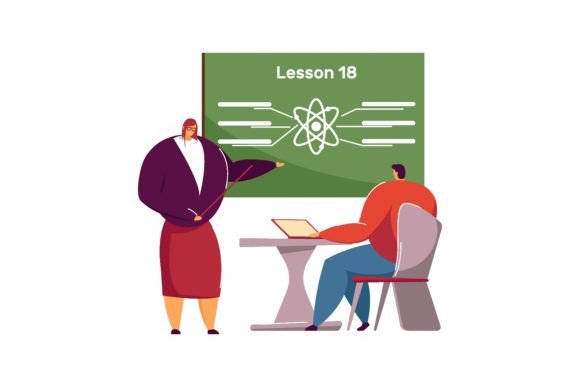
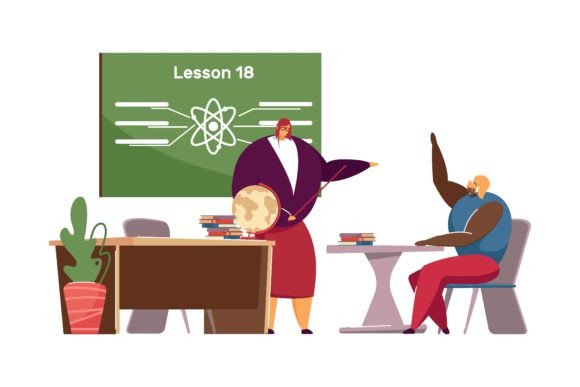
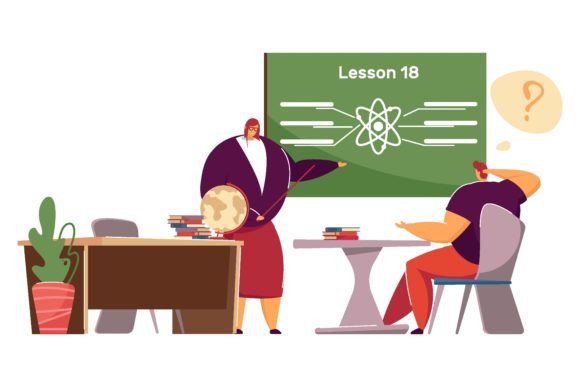
When we visualize the concept of students at physics lesson in classroom, the image that often comes to mind is static and somewhat cliché. However, the reality captured in high-quality educational imagery—such as a female teacher explaining concepts while pointing at a blackboard, with pupils seated attentively and a Black girl raising her hand to answer—is far more dynamic. This specific scene encapsulates the essence of active learning, diversity, and engagement. It is not merely a stock photo description; it represents a pedagogical ideal that educators, content creators, and institutions strive to communicate.
Understanding the nuances of this visual narrative helps us appreciate how education is evolving. It moves beyond rote memorization to interactive problem-solving. For adults involved in education, marketing, or curriculum design, recognizing the power of this imagery can transform how you present educational products, services, or ideas. It signals an environment where questions are welcomed, diversity is celebrated, and complex scientific concepts are made accessible through human connection.
The Power of Representation in STEM Education
One of the most critical aspects of the scene described—a Black girl raising her hand—is the subtle but powerful message of inclusion. In the fields of Science, Technology, Engineering, and Mathematics (STEM), representation matters immensely. When students see themselves reflected in the classroom environment, particularly in roles of active participation and intellectual curiosity, it boosts confidence and belonging.
For educational publishers and e-learning platform developers, using imagery that reflects this diversity is not just a checkbox for political correctness; it is a strategic tool for engagement. A student browsing a online physics course is more likely to feel welcome if the promotional materials show a diverse group of peers actively participating. The act of raising a hand signifies agency. It suggests that the classroom is a safe space for inquiry, where mistakes are part of the learning process and every voice has value.
This visual cue resonates with parents and adult learners alike. Parents look for schools and tutors that foster inclusive environments. Adult learners returning to education seek communities where they will be respected and heard. By highlighting a moment of active participation from a underrepresented demographic, the image communicates a broader institutional commitment to equity without needing explicit text.
Interactive Teaching Methods in Action
The presence of a female teacher pointing at the blackboard adds another layer of depth to the scenario. It challenges traditional gender stereotypes in physics, a field historically dominated by men. This visual reinforces the idea that expertise in hard sciences is gender-neutral. For institutions aiming to attract more female faculty or students, such imagery serves as a silent but potent recruitment tool.
Moreover, the action of "pointing at the blackboard" suggests a blend of traditional and modern teaching methods. While digital screens are prevalent, the blackboard remains a versatile tool for breaking down complex equations step-by-step. It allows for spontaneous illustration of concepts, fostering a slower, more digestible pace of learning. This is crucial in physics, where understanding the derivation of a formula is often more important than memorizing the final result.
In real-world applications, this scene mirrors effective tutoring sessions, university lectures, and even corporate training workshops. The dynamic between the instructor and the students is collaborative rather than authoritarian. The teacher is guiding, not just lecturing. This approach is highly valued in adult education and professional development, where participants expect to engage critically with the material rather than passively receive it.
Practical Applications for Content Creators and Marketers
If you are creating content for educational technology, school brochures, or academic blogs, the concept of students at physics lesson in classroom offers a rich template for storytelling. Here is how different industries can leverage this narrative:
- E-Learning Platforms: Use similar imagery to highlight interactivity. Show users that their courses are not just video lectures but involve community discussion and active problem-solving.
- Tutoring Services: Focus on the "raising hand" aspect. Market your service as one that encourages questions and personalized attention, contrasting it with large, impersonal lecture halls.
- Educational Toy and Kit Manufacturers: Position your products as tools that bring the blackboard concepts to life. Connect the theoretical explanation shown in the image with hands-on experimentation.
- University Recruitment: Showcase diverse classrooms to appeal to international and minority students. Highlight faculty diversity to signal an inclusive academic culture.
When selecting images or designing scenes for your brand, avoid sterile, empty classrooms. Opt for moments of interaction. The energy in a room where a student is about to answer a question is palpable. It captures the "aha!" moment that every educator strives to facilitate. This emotional resonance is what converts viewers into customers or applicants.
Considerations for Authenticity and Engagement
While the idealized image of a physics lesson is powerful, authenticity is key. Audiences today are savvy and can detect staged or overly polished scenarios. To make this concept work for you, consider the following practical observations:
First, ensure diversity feels natural, not tokenistic. The students should appear engaged with the material, not just posed for the camera. Look for genuine expressions of curiosity or concentration. Second, the environment should reflect real learning spaces. A cluttered desk with notebooks, calculators, and perhaps a half-empty water bottle adds realism. It suggests that learning is a messy, ongoing process.
Third, consider the lighting and composition. Natural light often conveys openness and clarity, aligning with the goal of making complex subjects understandable. Avoid dark, moody lighting that might suggest difficulty or intimidation. Physics is challenging, but the classroom environment should feel supportive.
Finally, think about the context in which you use this imagery. If you are targeting university-level students, the setting should look mature, perhaps with older students and more advanced equipment. For K-12 audiences, the focus might be more on colorful visuals and enthusiastic gestures. Tailoring the visual details to your specific audience ensures that the message lands effectively.
Bridging the Gap Between Theory and Practice
The ultimate goal of any physics lesson is to bridge the gap between abstract theory and real-world application. The image of a teacher explaining a concept on the board while students listen actively symbolizes this transfer of knowledge. But it also hints at what comes next: experimentation, testing, and discovery.
For professionals in science communication, this visual serves as a reminder to keep explanations grounded. Whether you are writing a blog post about quantum mechanics or designing a workshop on engineering principles, start with the fundamentals, just as the teacher does at the blackboard. Then, invite participation, like the student raising her hand. This two-way flow of information is what makes learning stick.
In conclusion, the scene of students at physics lesson in classroom is more than a generic educational snapshot. It is a multifaceted symbol of inclusive, interactive, and effective teaching. By understanding the layers of meaning within this image—diversity, gender balance, active participation, and clear instruction—you can better communicate the value of your educational offerings. Whether you are an educator, a marketer, or a content creator, leveraging this narrative can help you connect with your audience on a deeper, more meaningful level. It reminds us that at the heart of education is human connection, curiosity, and the shared joy of discovery.