The Educational Power of Anthropomorphic Characters in Early Learning
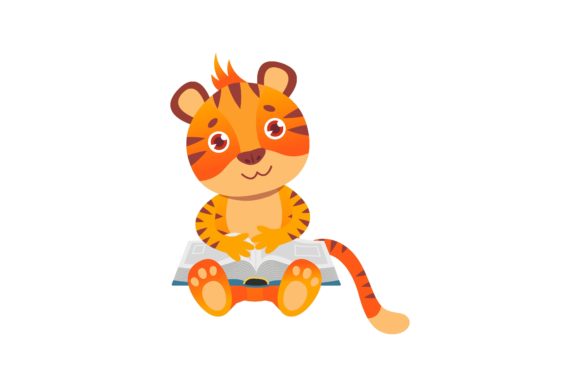
In the vast landscape of early childhood education, visual storytelling remains one of the most potent tools for cognitive development. Among the myriad of characters that populate children’s books and digital learning platforms, the Tiger Cub Learns Lessons. Cute Animal Ch archetype stands out as a particularly effective vehicle for teaching complex social and academic concepts. This specific imagery—a young tiger engaged in study, often depicted in a cartoon illustration isolated on a white background—serves not merely as decorative art but as a functional educational asset. It bridges the gap between abstract educational goals and the tangible, relatable experiences of young learners.
The appeal of such characters lies in their ability to humanize the learning process. When a child sees a tiger cub struggling with a math problem or reading a book, the intimidation factor of schoolwork diminishes. The animal becomes a peer, a companion in the journey of discovery. This article explores why this specific visual motif is so prevalent in modern educational materials, how it influences student engagement, and what parents and educators should look for when selecting resources that utilize these charming illustrations.
Why the Tiger Cub Resonates with Young Learners
The choice of a tiger cub is deliberate and psychologically sound. Tigers are universally recognized symbols of strength, courage, and vitality. However, by depicting the animal as a cub, creators soften these attributes, making them approachable rather than threatening. A full-grown tiger might evoke fear or awe, but a cub evokes nurturing instincts and empathy. This emotional connection is crucial for learning. When children feel emotionally safe and connected to the material, their brains are more receptive to new information.
Furthermore, the "cute animal character studying" trope leverages the concept of mirror neurons. Children naturally mimic the behaviors they observe. Seeing a beloved character engage in positive study habits encourages them to replicate those actions. If the tiger cub looks focused, curious, and happy while learning, the child associates those positive emotions with the act of studying. This is a far cry from the traditional, often stern depiction of schooling, offering a refreshing perspective that education is an adventure rather than a chore.
The Role of Visual Isolation in Cognitive Focus
You may have noticed that many of these illustrations are presented as a cartoon illustration isolated on white background. This design choice is not accidental; it is rooted in cognitive load theory. For young children, especially those with attention deficits or sensory processing sensitivities, cluttered backgrounds can be distracting. A white background removes visual noise, allowing the child to focus entirely on the subject: the tiger cub and its activity.
This isolation technique serves several practical purposes in educational workflows:
- Enhanced Clarity: It ensures that the primary message—the act of learning—is unmistakable.
- Versatility: Isolated images can be easily integrated into various media formats, from printable worksheets to interactive apps, without clashing with existing design elements.
- Reduced Anxiety: Clean, simple visuals create a calm learning environment, reducing the stress often associated with academic pressure.
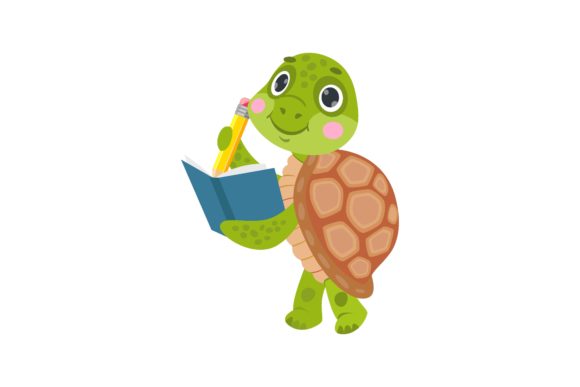
By stripping away unnecessary details, designers allow the character’s expression and posture to tell the story. The tilt of the head, the grip on the pencil, the wide-eyed curiosity—these subtle cues become the focal point, guiding the child’s attention to the nuances of the learning behavior being modeled.
Integrating Character-Based Learning into Modern Workflows
The Tiger Cub Learns Lessons. Cute Animal Ch concept fits seamlessly into modern educational ecosystems. Today’s learning environments are hybrid, blending physical textbooks with digital interfaces. The versatility of this character type allows it to thrive in both realms. In a classroom setting, teachers might use large prints of the tiger cub to create a "reading corner" theme, fostering a sense of community around literacy. At home, parents might use digital flashcards featuring the same character to reinforce lessons learned at school, creating a consistent narrative across different learning contexts.
Moreover, these characters are increasingly used in gamified learning applications. As children progress through levels, they might see the tiger cub achieving milestones alongside them. This parallel progression reinforces the idea that effort leads to growth. It transforms the solitary act of studying into a shared experience with a virtual friend. The character becomes a mascot for perseverance, reminding children that even strong, brave tigers need to practice and learn.
Key Qualities to Look for in Educational Illustrations
When selecting educational materials that feature animal characters, not all illustrations are created equal. To maximize the educational benefit, parents and educators should consider several key characteristics:
- Expressive Authenticity: The character should display genuine emotions. A tiger cub that looks bored while reading will not inspire enthusiasm. Look for illustrations where the character appears engaged, curious, or proud of their achievements.
- Cultural Inclusivity: While the tiger is a specific animal, the context should be inclusive. Does the character interact with diverse peers? Are the learning materials shown (books, tablets) representative of a global classroom?
- Age-Appropriate Complexity: The illustration style should match the developmental stage of the child. Toddlers benefit from bold lines and simple shapes, while older children can appreciate more detailed expressions and settings.
- Consistency: If using a series of materials, ensure the character design remains consistent. This helps build a recognizable brand of learning that children can trust and rely on.
These factors ensure that the visual aid supports the pedagogical goal rather than detracting from it. The goal is to create a seamless blend of entertainment and education, where the line between play and learning blurs in the most beneficial way.
Practical Benefits for Parents and Educators
For adults facilitating learning, the Tiger Cub Learns Lessons. Cute Animal Ch motif offers a practical shorthand for discussing difficult topics. Instead of lecturing a child about the importance of homework, a parent can point to the image and ask, "Look how hard the tiger is working. What do you think he is learning?" This opens a dialogue rather than issuing a command. It shifts the dynamic from authoritarian to collaborative.
Additionally, these images can be used as behavioral anchors. If a child is struggling to sit still, referencing the focused tiger cub can serve as a gentle reminder of expected behavior. "Let’s try to focus like our tiger friend for ten minutes," is often more effective than "Sit still and pay attention." It externalizes the expectation, making it less personal and more playful.
From a design perspective, the isolation on a white background also allows for easy customization. Teachers can add speech bubbles, math problems, or vocabulary words directly onto the image. This adaptability makes the resource invaluable for creating tailored lesson plans that address the specific needs of individual students or groups.
Navigating the Digital Shift
As education moves increasingly online, the demand for high-quality, scalable vector graphics like the cartoon illustration isolated on white background has surged. These assets are lightweight, load quickly, and maintain clarity across devices. For developers of educational software, using such standardized characters ensures a cohesive user experience. It also allows for easier animation, bringing the tiger cub to life in interactive stories where children can make choices that affect the outcome of the lesson.
However, it is important to balance digital engagement with tactile learning. The best workflows integrate both. A child might interact with the tiger cub on a tablet, then complete a related worksheet featuring the same character. This multi-modal approach reinforces neural pathways and ensures that the learning is deep and retained.
Conclusion: More Than Just a Cute Image
The Tiger Cub Learns Lessons. Cute Animal Ch is more than a trending aesthetic in educational design. It is a carefully crafted tool that leverages psychology, design principles, and pedagogical best practices to enhance learning outcomes. By combining the inherent appeal of a cute animal with the structured discipline of study, these illustrations create a powerful narrative that resonates with children. They transform the often-daunting task of education into a journey of exploration and growth.
Whether you are a parent looking for engaging books, a teacher designing classroom materials, or a developer building educational apps, understanding the value of these characters can significantly impact your success. Look for quality, consistency, and emotional resonance in the illustrations you choose. Remember, the goal is not just to teach facts, but to foster a lifelong love of learning. And sometimes, all it takes is a friendly tiger cub to show the way.
By embracing these visual tools, we create environments where children feel supported, understood, and motivated. The next time you see a Tiger Cub Learns Lessons. Cute Animal Ch illustration, take a moment to appreciate the thought behind it. It is a small image with a big purpose: to make learning accessible, enjoyable, and effective for the next generation.